
It’s rare these days that I have the time and mental capacity to read a book. Like many of us, my attention span has suffered in the social media era. But when I was sent a preview copy of Katie Benner and Erica L. Green’s Miracle Children, I couldn’t put it down! If you love learning the backstory behind scandals, this book is for you. If you’re interested in American education, this story is for you. If you constantly ask “how did we get here” regarding the hunger games of college admission, this book is for you.
First, a little background. Back in 2018, a little can-do high school in New Orleans gained attention because of viral videos of their students getting accepted to highly rejective colleges. It was the feel-good, bootstrappy, All-American narrative that the media loves. The story got national attention and an appearance on Ellen.
And then the other shoe dropped.
It turned out that much of the narrative around the students and school ranged from “crafted” to falsified. The media again picked up the story. Erica and Katie were reporters at the NYT and covered the story. Lots of people covered the story. I even blogged about it.
But, as I mentioned in my blog, the story was more complex than a newspaper could tell. The T.M. Landry story was always about more than one school. It’s layered and complex. It’s a story of America. It’s a story of higher education. It’s a story of the myth of meritocracy. It’s a story that needed more than 1500 words or a 6-minute video. Miracle Children gives it the time, attention, nuance, and context it deserves.
Erica and Katie are perfect for addressing this story that requires a much bigger lens than the one school and few colleges impacted. They blend their unique talents, using the Landry story to interrogate some of the larger issues in American education and society. This story is a story of systems—systems that the Landrys exploited but didn’t create. Systems that continue to exclude the students the Landrys purported to serve. As the authors put it, “we explore the quandary faced by the students at T.M. Landry and how their school’s deception illuminated the persistence of a racial caste system, one that stretches all the way back to the birth of America’s slave trade four centuries ago. . . . Schools were always a part of the system, whether by preserving it or chipping away at its power.”
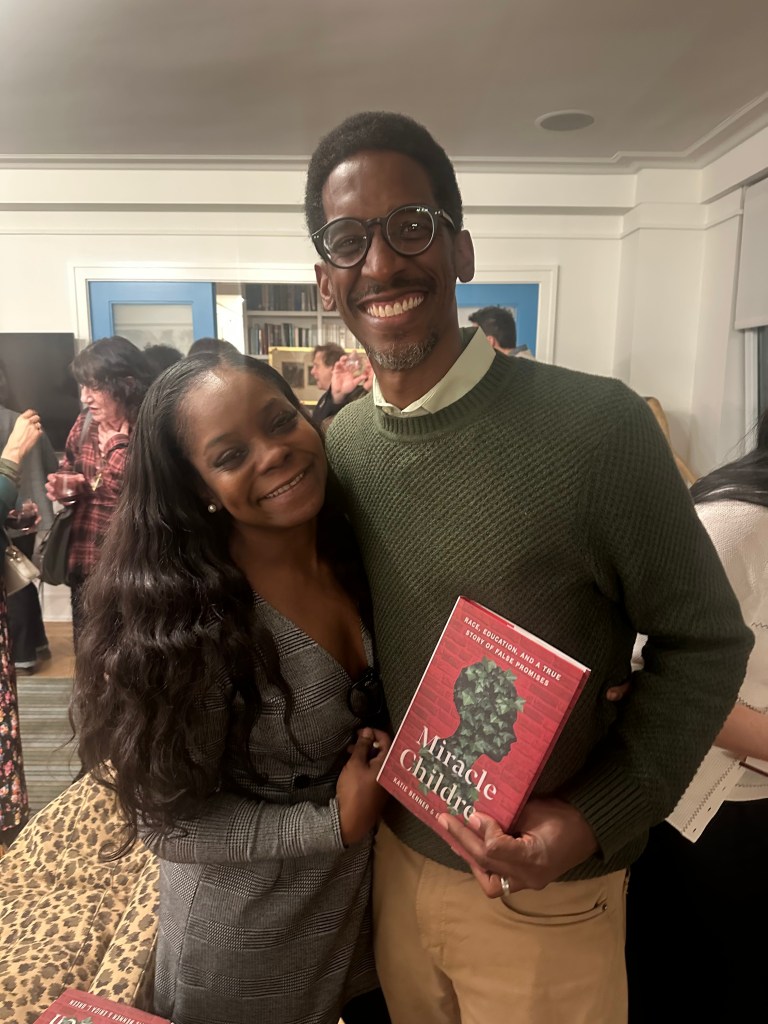
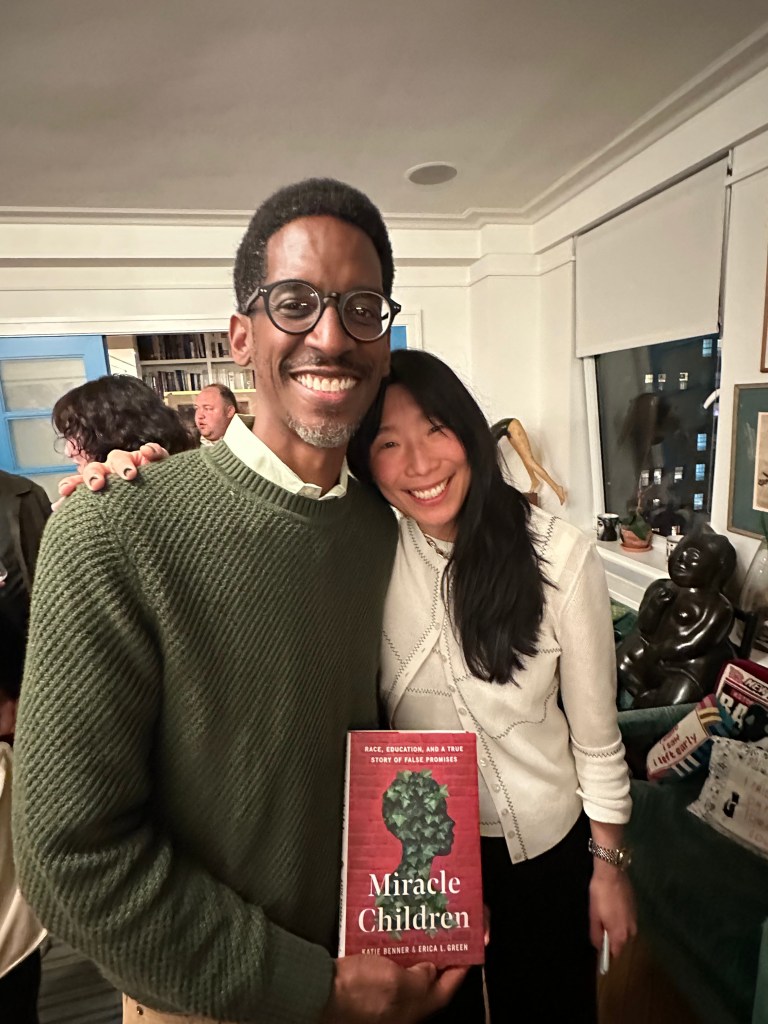
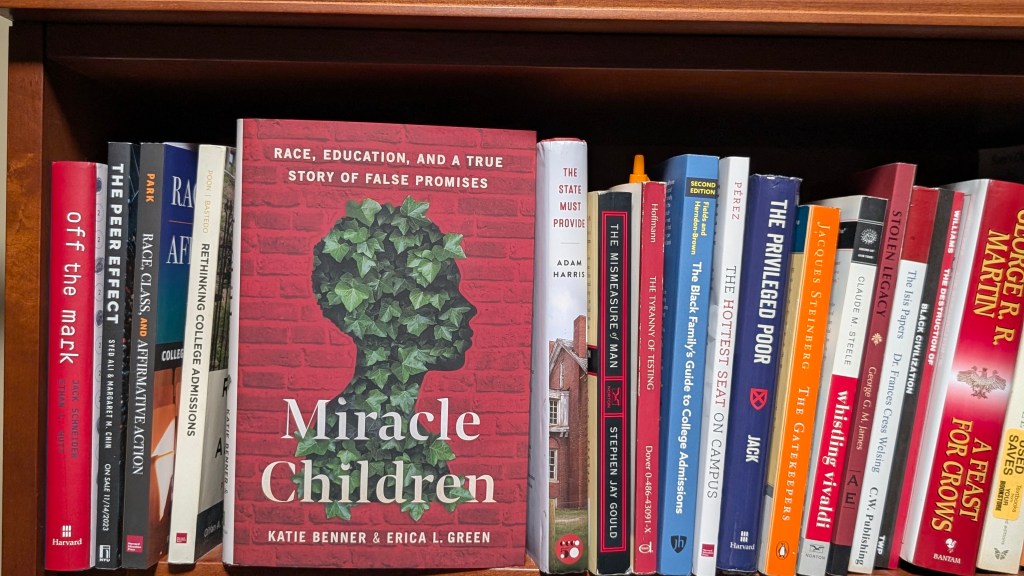
I was enthralled as they not only reveal more of the specifics of the sordid T.M. Landry tale but did what so many education stories and scandals fail to do—they put it in historic and systemic context. My highlighter worked overtime as I flagged gems they dropped, reminding me that none of these stories exists in isolation. This deeply researched and thoughtful book provides the background context that most profiles and glowing reviews tend to lack. Erica and Katie dive deeply into the historical and deeply American structures that allowed the T.M. Landry scandal to be fostered and deceptively sold to the American public. It’s a great read for anyone who cares about education, cares about America, and wants to understand some of the deeply problematic trends in the country.
Go get a copy at your local book store!
Like, comment, or subscribe (this is internet currency and you have to pay your way so that you’re not a free-loader).

 Bellowings