
Once again this week I was reminded that College Board is not an educational or research institution, it’s a marketing firm with a product to sell. And like most marketing companies they follow the ABCs as defined by Mitch from Glengarry Glen Ross … “Always Be Closing”
Yesterday, the University of Alabama announced that 2026-27 applicants to all three of their campuses will have to submit test scores. This made me curious about the admissions profile of Alabama, so I logged into College Board’s Big Future to look at the statistics. A few years ago CB redesigned and ruined the Big Future website. This time I was surprised to see that Big Future had changed again. This time it was pretty cool . . . visually.
But I also noticed a few less savory and unsurprising things. Let’s check it out:

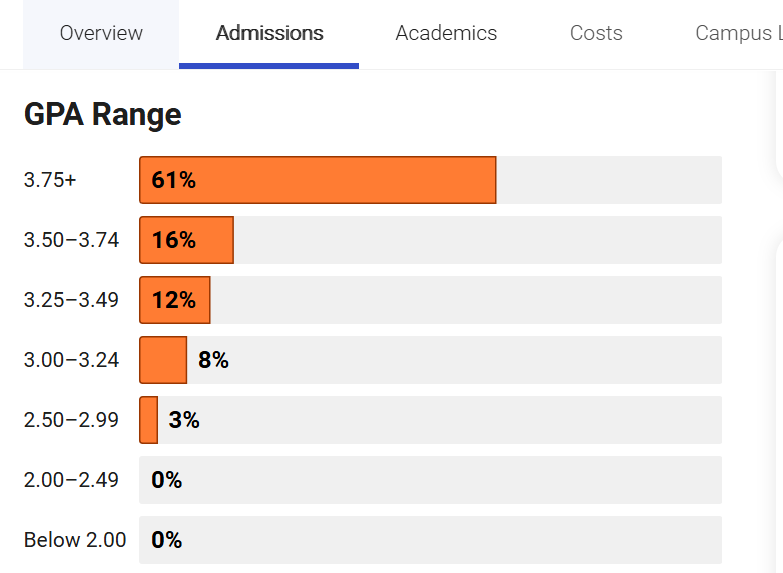
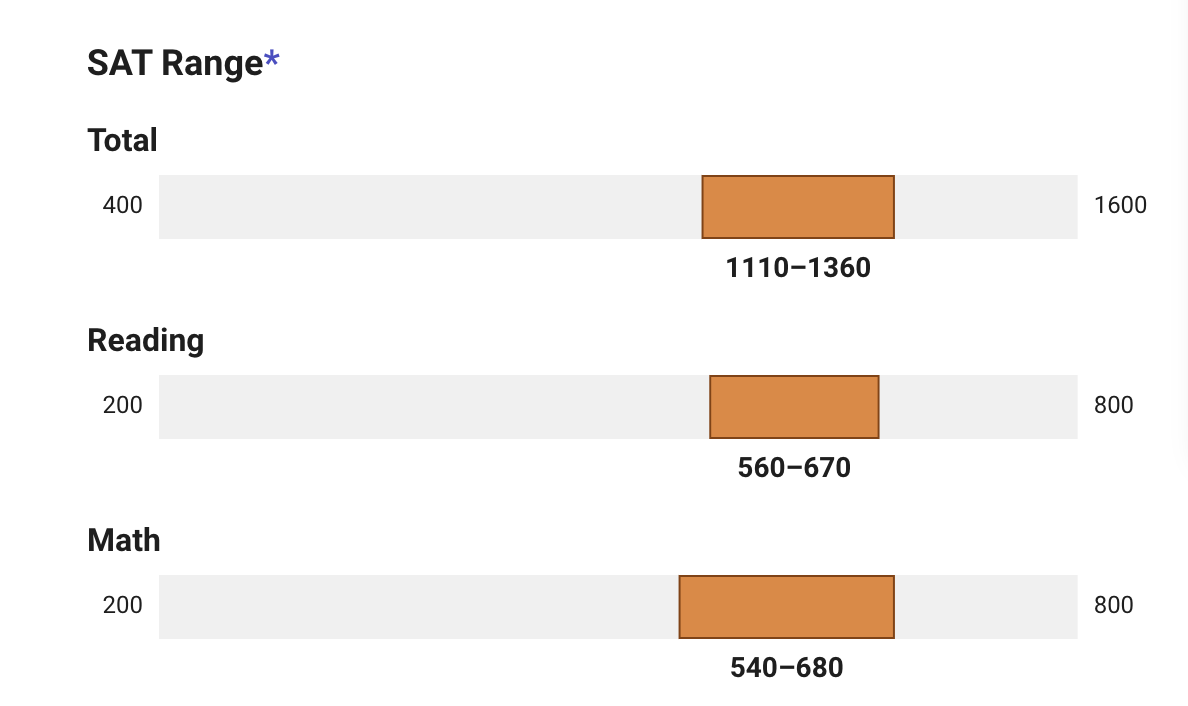

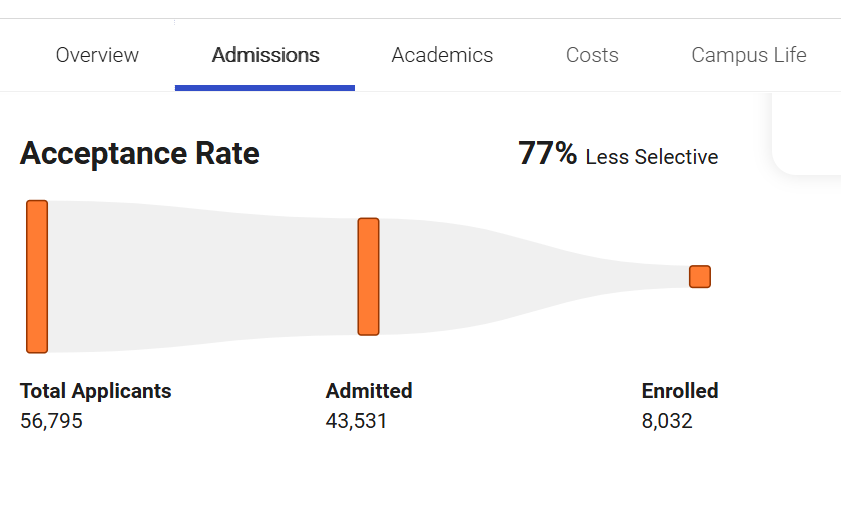
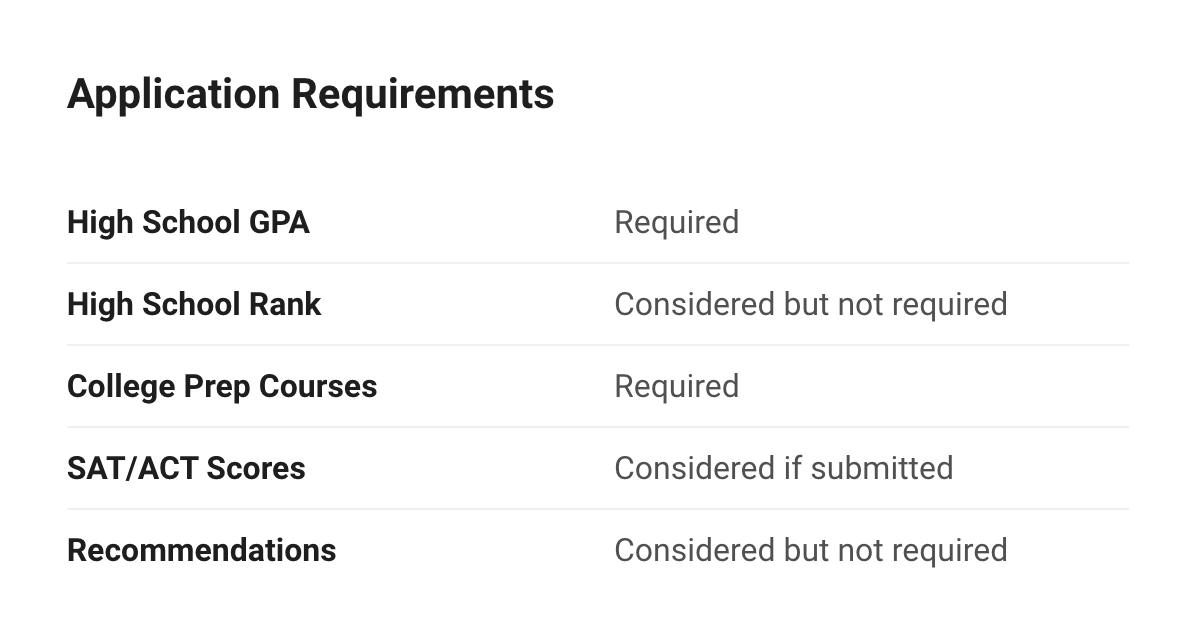


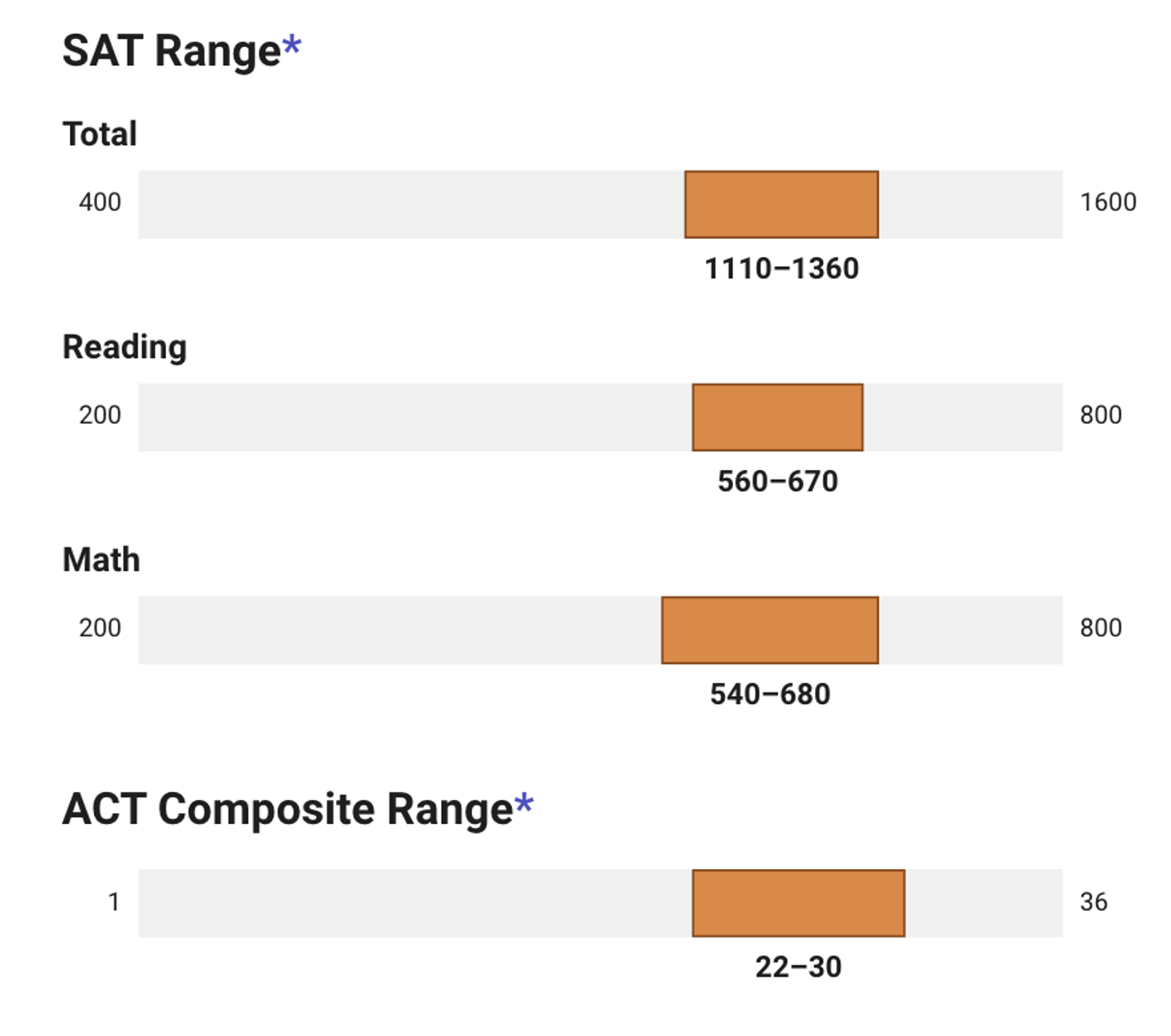
A quick glance at the data makes us think that UA admits a wide range of GPAs but SAT scores have to be between 1110 and 1360 to get admitted. At first glance (all that most teenagers will give this data) the data suggest that a wide range GPAs are admitted but a narrow range of tests scores are. They even offer a sentence that seems to provide transparency:
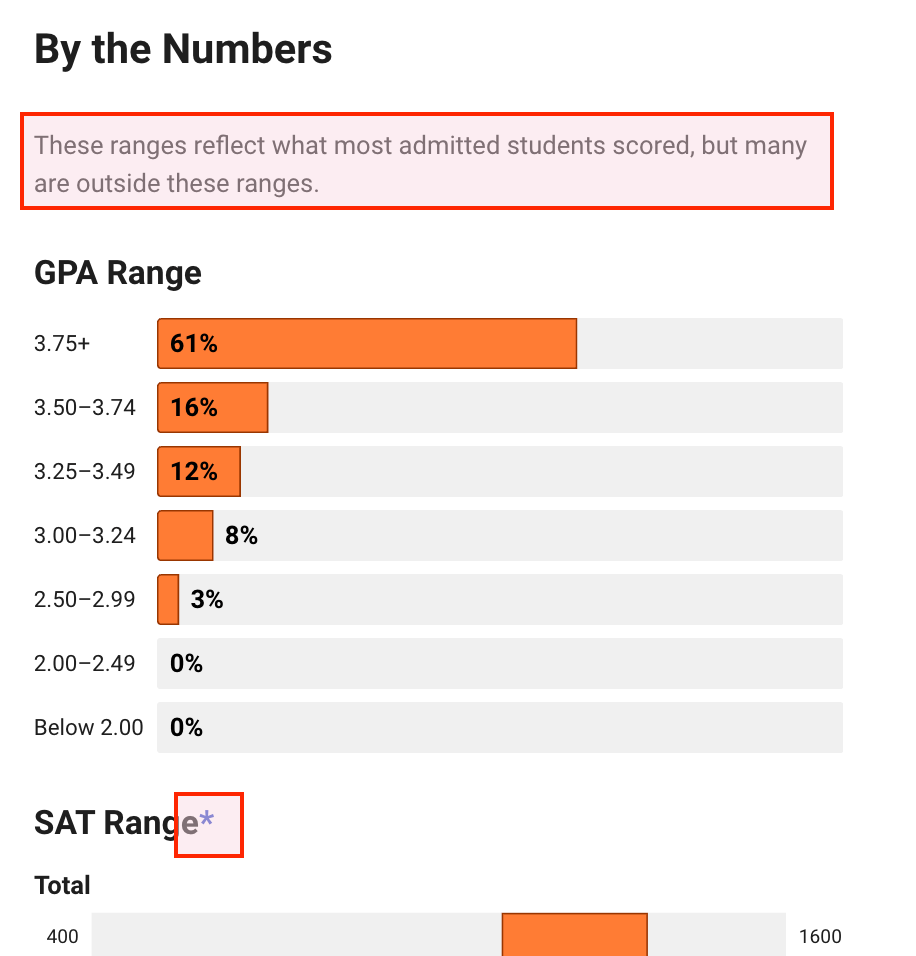
That’s a great way to highlight the importance of tests and to encourage more sales. Anyone who visits College Board’s Big Future walks away with the impression that their entire future is contingent on SAT scores more than GPA. Mitch would be so proud of the College Board!
Some might think I’m being hyperbolic and anti-CB, so let’s look at the underlying data. Big Future draws its data from the Common Data Set (CDS), for admissions data that is specifically from sections C9 – C11. So check out what they’ve chosen include and what they omit. Scroll through this slideshow to see parts of UA’s CDS.
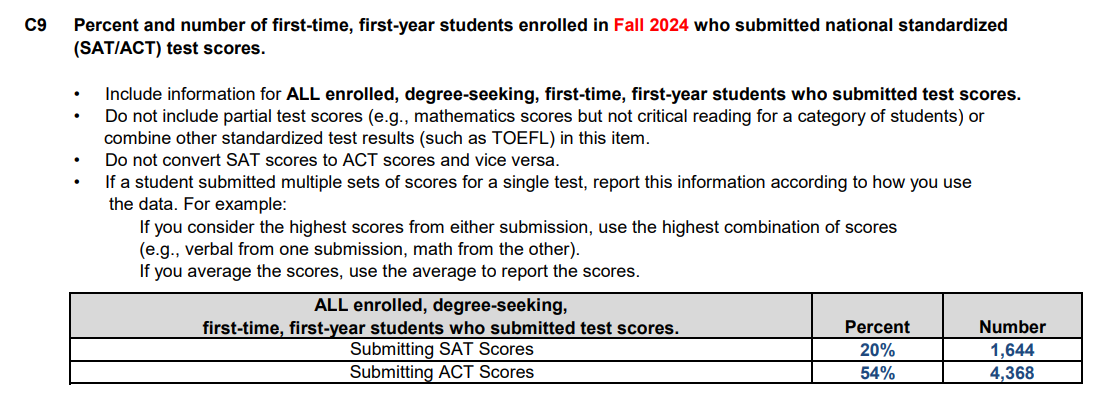
The text tells us these scores are for enrolled students and the chart shows the percent submitting each test. 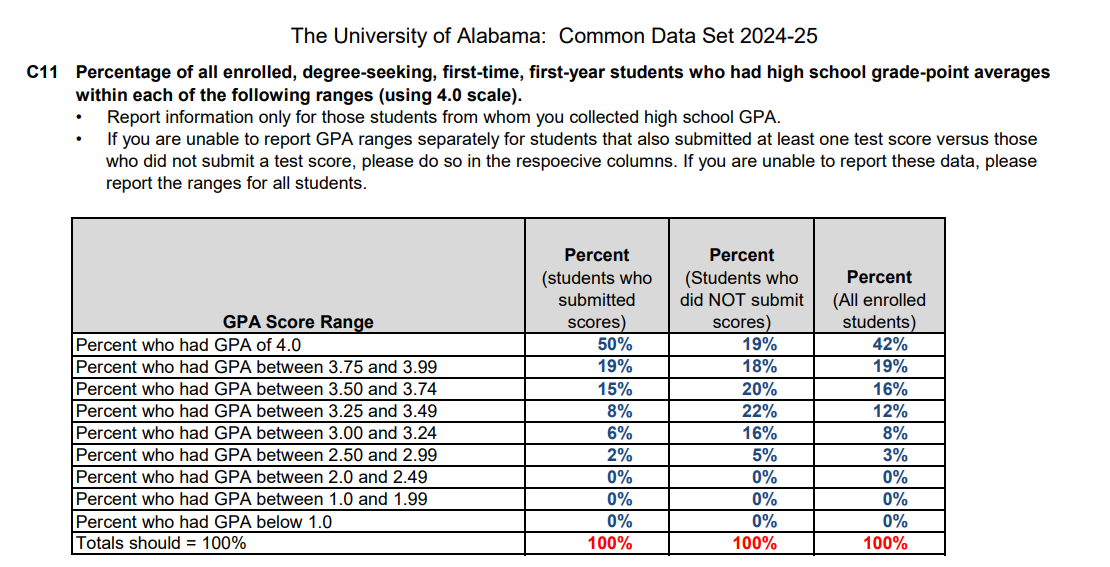
It might be useful to know that higher GPA and tests scores are commonly associated, so high tests alone is not likely a great help. 
Why did College Board choose to omit this level of detail? Why not show the distribution of test score ranges? 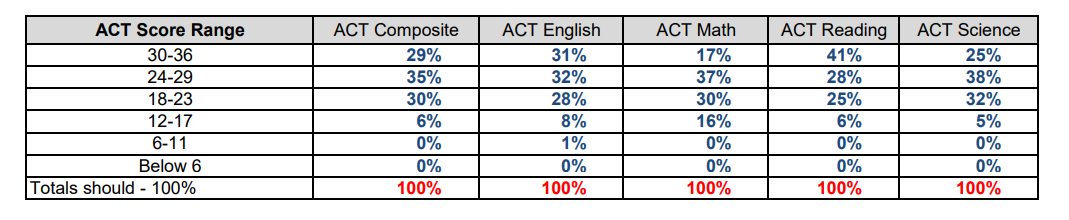
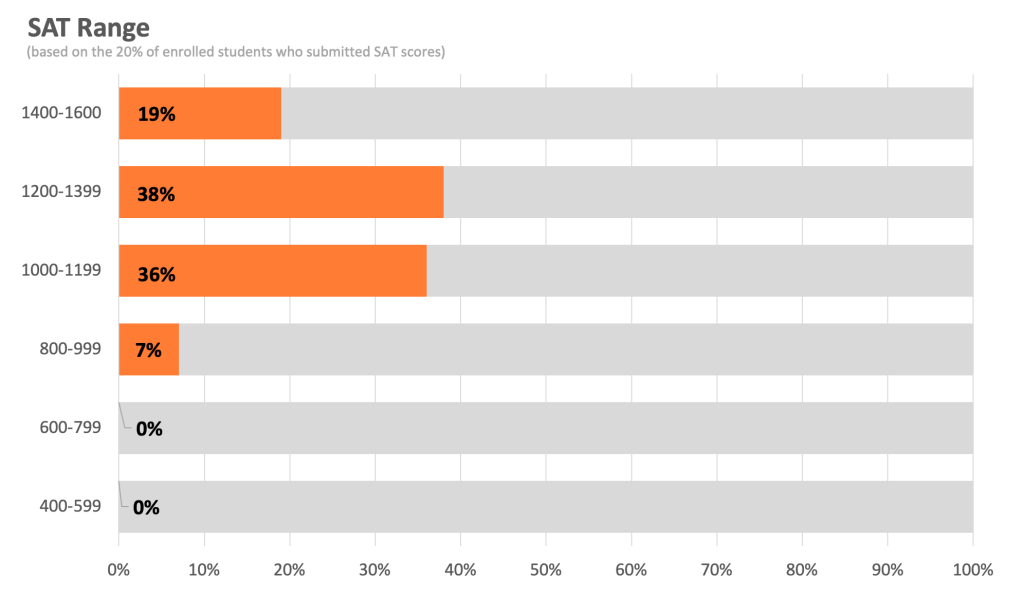
If I wanted to provide information and, more importantly, context, I would tell the public these GPA and test score numbers given are for enrolling students (which is not the same group as admitted students). The CDS gives score ranges just like it gives GPA ranges. They also give GPA average like they give test score average. College Board could have chosen to provide the exact same information for GPA and test scores, but I guess that’s not what closers do. If CB wanted to provide helpful information, they would have warned that the tests scores given are only for enrolling students submitting test scores. They could have shown the percent of enrolled students who submitted SAT scores (only 20% at UA) and the percent that submitted ACT scores (54%). But if they did that folks might realize that the SAT average is likely highly inflated (which the asterisk next to SAT/ACT, which you probably ignored, says when you scroll down). If they did that the public might think that the ACT was a better test to take if you’re interested in UA. And so of course if you’re always closing, you don’t want to do that.
Let’s look at what they give us for scores:

And if they wanted to be helpful and consistent they could have easily displayed testing data same way they displayed GPA data:
The long and short of this story is: College Board is a business selling a product and they are always closing.
Just like the test prep companies, CB is interested in closing and everything they do is designed with that end in mind. They don’t generally lie but they spin, massage, highlight, omit, and imply in order to make sure that tests are used, valued, thought highly of, and, most important of all, bought.
As a company they would make not only Mitch but also the Wolf of Wall street proud.

Subscribe and get perks!
Hope this helps… I’d appreciate it if you can pay me in the coin of the digital realm by subscribing. Right now it’s free and if you’re a subscriber I’ll take your request (just reply to the latest email you get from me with what you want me to write about and I probably will!)

 Bellowings